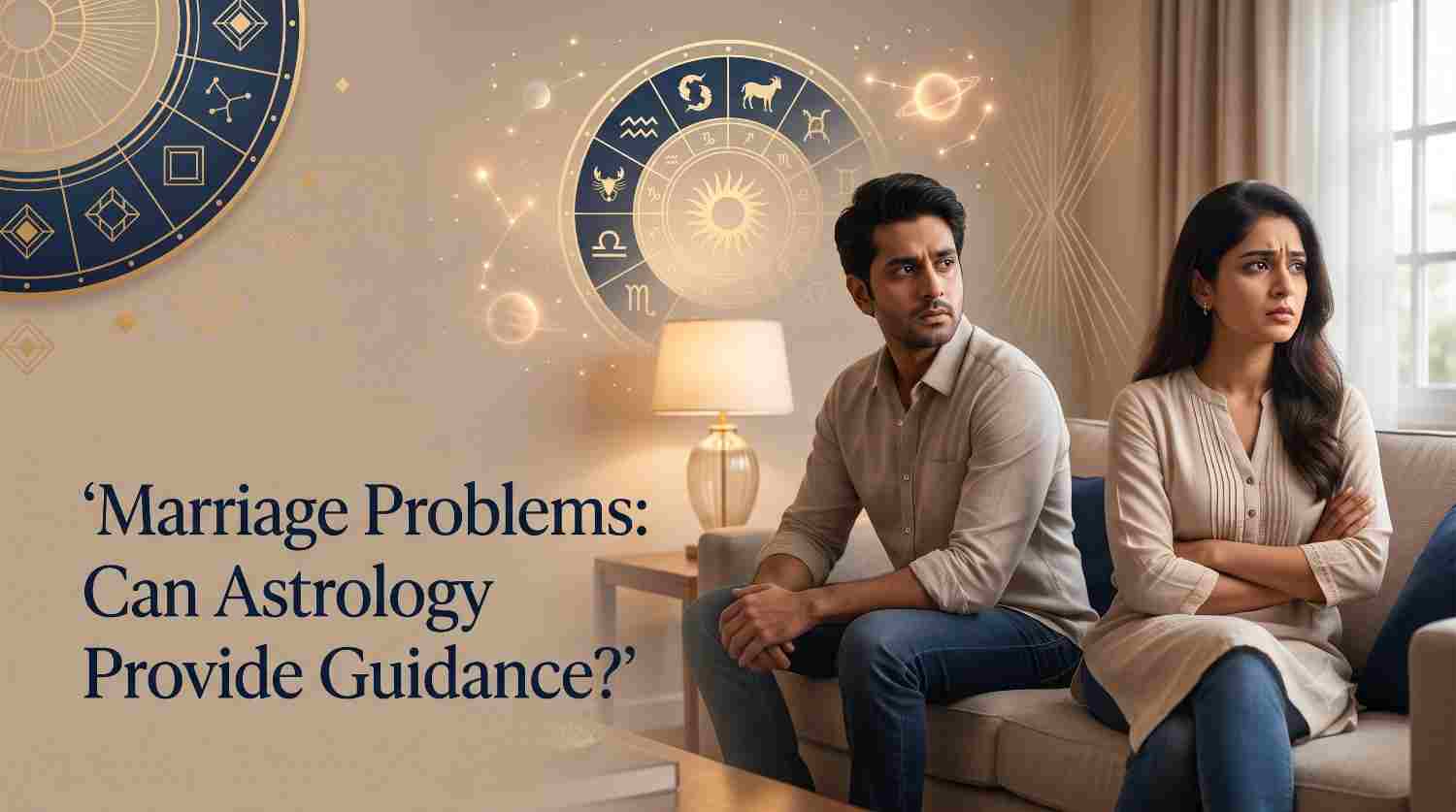
Are you planning a love marriage but wondering whether your kundalis match? Many Indian couples face this question when discussing marriage with their families, particularly when traditional horoscope compatibility is important.
Kundali matching for love marriage is a traditional Vedic astrology practice that compares two birth charts to interpret compatibility, personality tendencies, and marriage-related factors. It commonly includes Guna Milan, planetary positions, Mangal Dosha, and the seventh house.
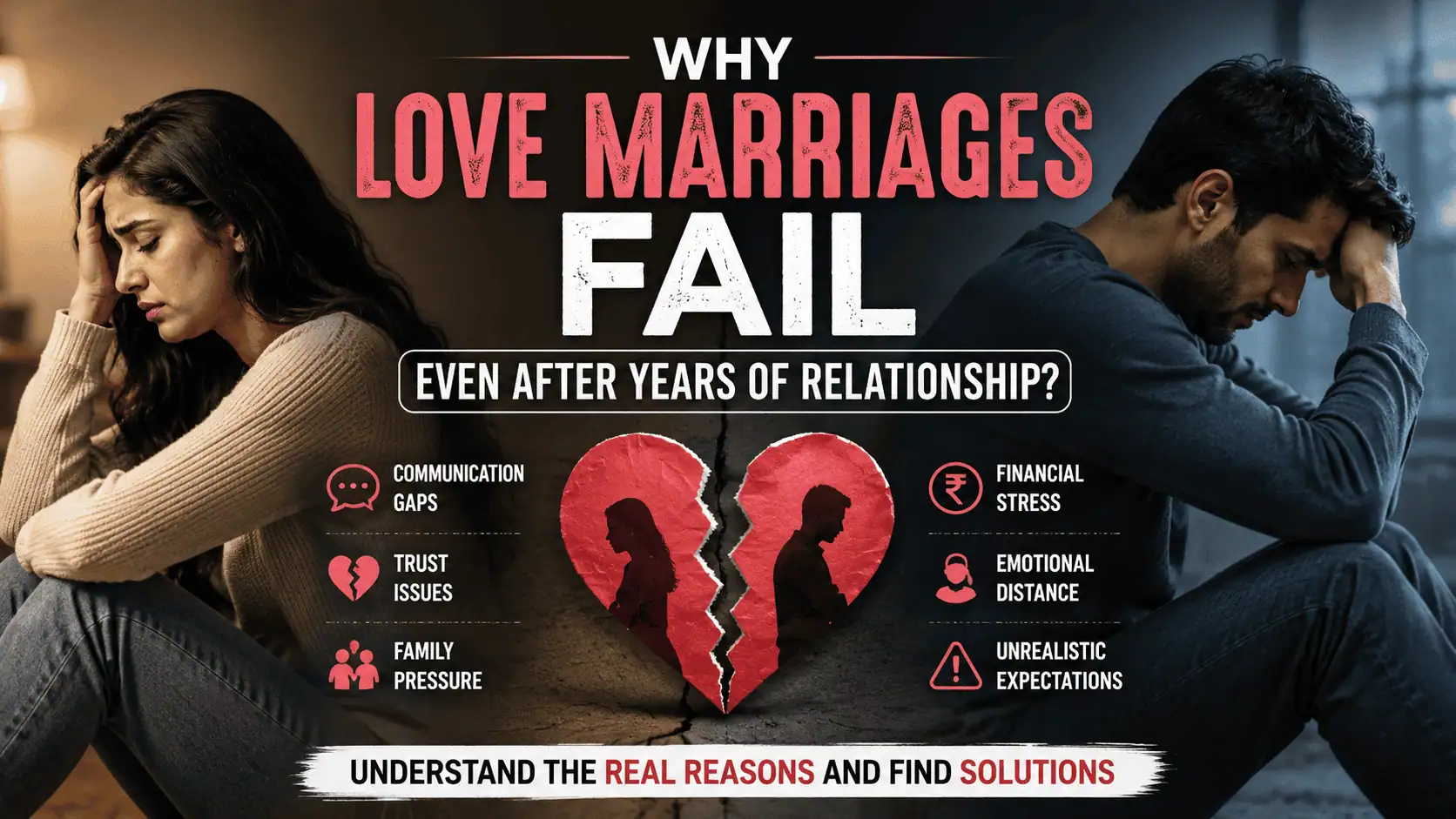
While astrology holds cultural significance for many families, it cannot scientifically predict whether a marriage will succeed. Communication, trust, respect, and shared expectations remain essential.
Astrologer Arjun Shastri offers traditional love and marriage astrology consultations for couples exploring relationship compatibility and family concerns.
What Is Kundali Matching for Love Marriage?
Kundali matching is the traditional process of comparing the birth charts of two individuals to interpret their compatibility before marriage.
In Vedic astrology, a kundali is prepared using a person's birth date, time, and location.
Astrologers traditionally examine:
-
Guna Milan.
-
Moon signs and Nakshatras.
-
Mangal Dosha.
-
Seventh-house placements.
-
Venus and Jupiter positions.
-
Planetary periods or Dashas.
These interpretations are part of an astrological tradition rather than established measures of relationship success.
Why Do Couples Consider Kundali Matching Before Love Marriage?
Couples often consider kundali matching because of family traditions, cultural beliefs, and a desire to explore compatibility before marriage.
Common reasons include:
-
Understanding traditional horoscope compatibility.
-
Addressing family concerns.
-
Discussing marriage expectations.
-
Exploring astrological interpretations.
-
Finding common ground between partners and parents.
For couples facing family opposition, respectful communication is especially important.
You can explore the Love Marriage Specialist service for information about traditional marriage astrology consultations.
Which Factors Are Considered in Kundali Matching?
Traditional kundali matching evaluates several astrological factors, including Ashtakoota Guna Milan, Mangal Dosha, planetary placements, and marriage-related houses.
Different astrologers may use different methods.
What Is Guna Milan in Kundali Matching?
Guna Milan is a traditional Vedic astrology method that evaluates compatibility through eight categories, collectively assigned a maximum of 36 points.
The eight categories are:
-
Varna.
-
Vashya.
-
Tara.
-
Yoni.
-
Graha Maitri.
-
Gana.
-
Bhakoot.
-
Nadi.
Traditionally, a score of 18 or above is often considered acceptable, although interpretations vary.
A higher score does not guarantee a happy marriage, and a lower score does not establish that a relationship will fail.
What Is Mangal Dosha in Love Marriage?
Mangal Dosha is a traditional astrological condition associated with certain placements of Mars in a birth chart.
Some traditions interpret it as relevant to marital compatibility or conflict.
However, Mangal Dosha has no scientifically demonstrated ability to predict divorce, conflict, or marriage failure.
Couples should avoid making decisions based on fear or pressure related to this belief.
Why Is the Seventh House Important in Marriage Astrology?
In traditional Vedic astrology, the seventh house is associated with marriage, partnerships, and committed relationships.
Astrologers may examine the seventh house, its ruling planet, and related planetary placements when discussing marriage.
These symbolic interpretations can be explored during a consultation without treating them as certain predictions.
Is Kundali Matching Necessary for a Successful Love Marriage?
No. Kundali matching is not necessary for a successful love marriage, although some couples choose it as part of their cultural or spiritual traditions.
A healthy relationship depends on factors such as:
Traditional astrology may offer personal reflection, but both partners should remain free to make their own marriage decisions.
What Happens If Kundali Matching Scores Are Low?
A low kundali matching score does not mean a couple must separate or that their marriage will be unsuccessful.
Traditional astrologers may review additional chart factors or explain different interpretations.
Couples should also discuss practical matters, including:
-
Family expectations.
-
Career plans.
-
Financial priorities.
-
Personal values.
-
Communication patterns.
-
Long-term goals.
Do not allow an astrological score to override mutual consent or a healthy relationship.
Can Couples Have a Love Marriage Despite Mangal Dosha?
Yes. Couples can decide to marry regardless of Mangal Dosha, since its claimed effects on marriage outcomes are not scientifically established.
Some families may choose to discuss traditional interpretations with an astrologer.
However, marriage decisions should consider the relationship itself and the informed choices of both partners.
What Birth Details Are Needed for Love Marriage Kundali Matching?
Traditional kundali matching generally requires the date of birth, time of birth, and birthplace of both partners.
Prepare:
-
Both partners' dates of birth.
-
Birth times, if available.
-
Birthplaces.
-
Main compatibility questions.
-
Specific marriage concerns.
If the exact birth time is unknown, ask whether a more limited traditional reading is possible.
Only share your partner's personal information with appropriate permission.
Can Kundali Matching Help With Family Opposition to Love Marriage?
Kundali matching may provide a familiar cultural discussion point for some families, but it cannot guarantee parental approval.
When families oppose a relationship, couples can consider:
-
Understanding the family's concerns.
-
Having calm discussions.
-
Explaining their long-term plans.
-
Demonstrating mutual commitment.
-
Seeking respectful mediation when appropriate.
If the opposition involves intercaste marriage, explore Intercaste Marriage Problems for related consultation information.
How Can You Consult an Astrologer for Love Marriage Compatibility?
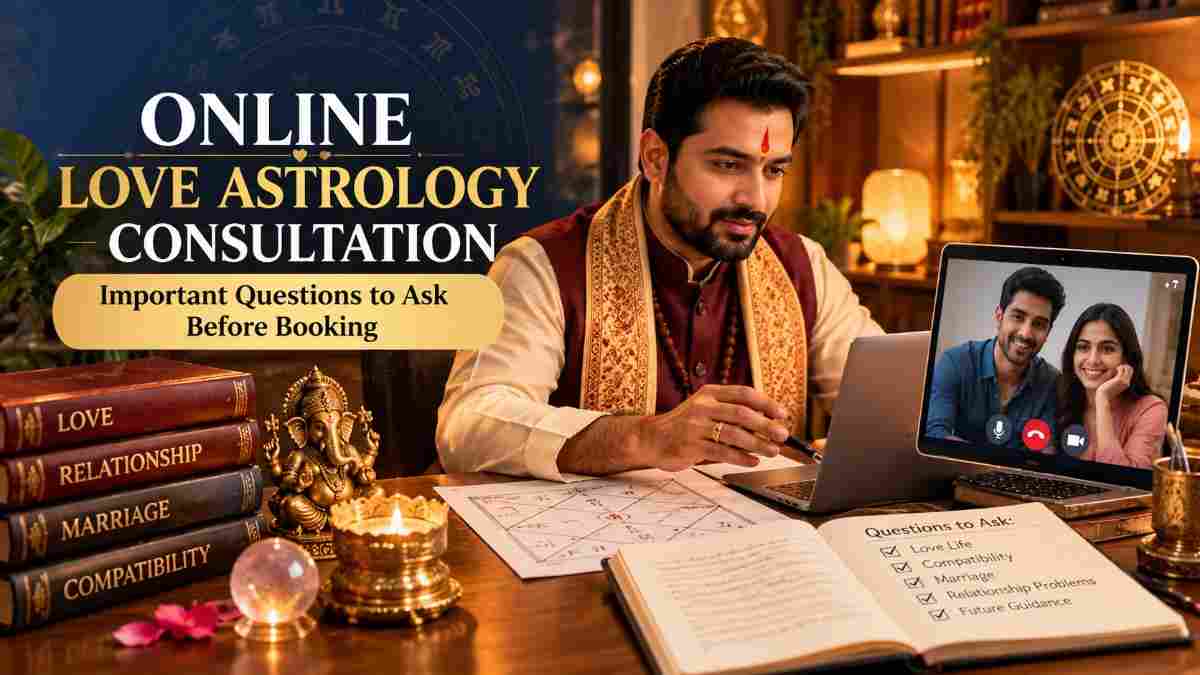
You can request a love marriage astrology consultation by sharing your concerns, relevant birth details, and specific questions about traditional compatibility interpretations.
During the consultation, consider asking:
-
How is our Guna Milan score interpreted?
-
Which traditional chart factors are considered?
-
What does Mangal Dosha mean in this reading?
-
Are there differences between matching methods?
-
What are the limitations of the interpretation?
Astrologer Arjun Shastri provides information about marriage astrology consultations on his Love Marriage Specialist page.
What Are the Most Frequently Asked Questions About Kundali Matching for Love Marriage?
Common questions concern Guna Milan scores, birth details, Mangal Dosha, and whether horoscope matching determines marriage success.
Is 18 Out of 36 Guna Good for Marriage?
In many traditional Ashtakoota matching systems, 18 points is considered a commonly used minimum threshold. It does not scientifically predict compatibility or marriage success.
Can Love Marriage Happen Without Kundali Matching?
Yes. Kundali matching is a cultural or spiritual choice, not a requirement for a successful relationship.
Is a 36-Guna Match a Guarantee of a Happy Marriage?
No. Even the highest traditional score cannot guarantee relationship happiness or long-term success.
Can Kundali Matching Be Done Online?
Yes. Traditional astrologers can discuss birth chart compatibility through online consultations when the required information is available.
What If One Partner's Birth Time Is Unknown?
Some traditional interpretations may still be possible, but the accuracy of certain chart calculations may be limited.
Can Astrology Predict Divorce?
No. Astrology has not been scientifically demonstrated to predict divorce or other relationship outcomes reliably.
How Can You Get Love Marriage Astrology Guidance From Arjun Shastri?
You can contact Astrologer Arjun Shastri to discuss traditional kundali matching, love marriage compatibility, and family-related concerns.
Before booking, prepare your questions, confirm consultation fees, and understand what the service includes.
For information about traditional marriage astrology, visit Love Marriage Specialist or the Contact Page.
Remember: A meaningful marriage decision should prioritize mutual consent, trust, communication, and shared values rather than an astrological score alone.