Love marriages are built on mutual understanding, trust, and years of companionship. Many couples believe that if they have successfully maintained a relationship for several years, marriage will naturally be successful too. However, this is not always the case. Many long-term relationships begin to face unexpected challenges before or after marriage, leaving couples wondering where things went wrong.
The truth is that love alone cannot sustain a relationship forever. As life changes, couples encounter new responsibilities, family expectations, financial pressures, and emotional challenges that test the strength of their bond. Understanding these issues can help couples identify problems early and work toward healthier relationships.
Why Do Love Marriages Fail Even After Years of Relationship?
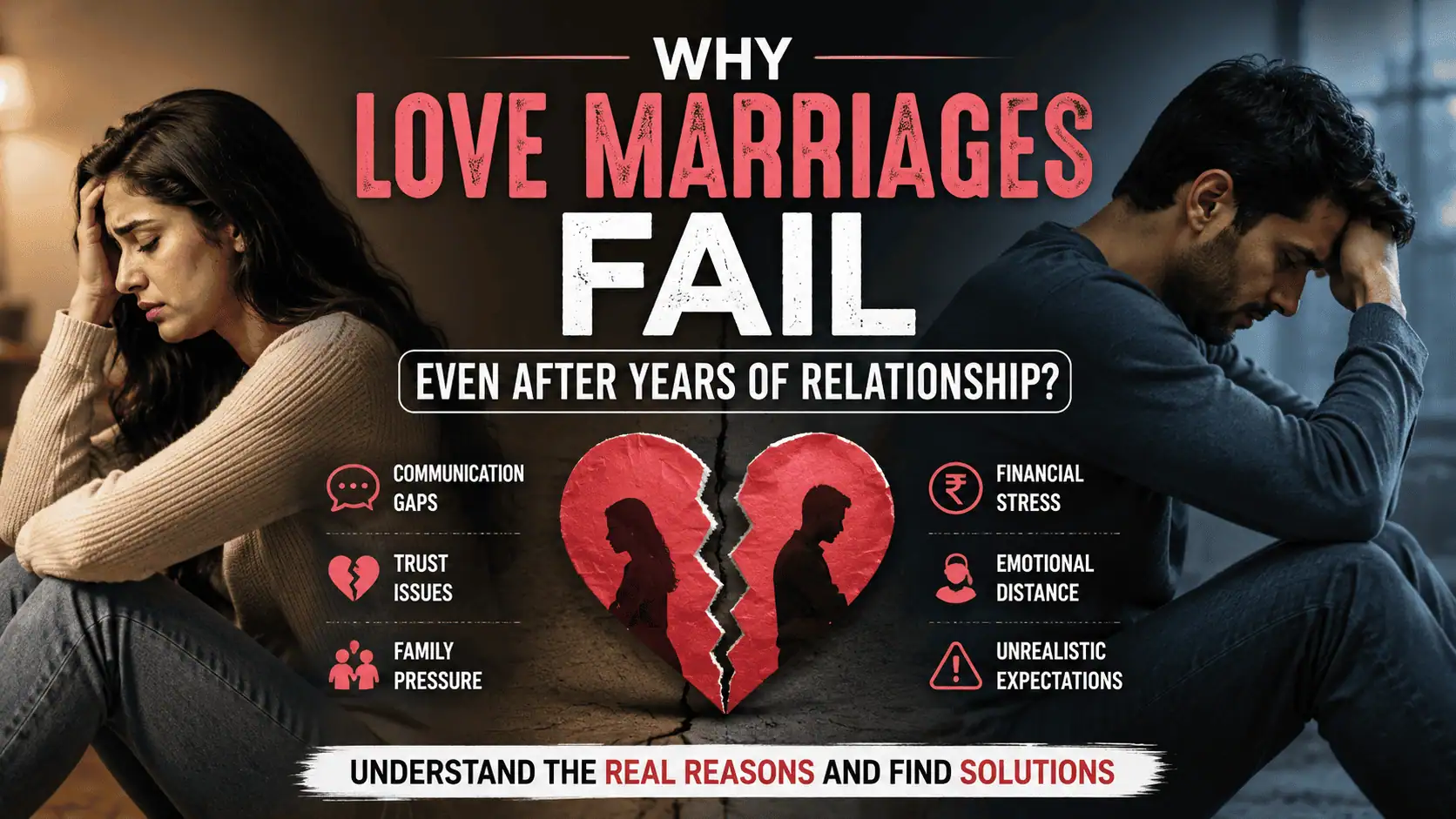
One of the biggest misconceptions is that spending years together automatically guarantees a successful marriage. In reality, relationships continue to evolve, and couples must adapt to changing circumstances. Communication gaps, trust issues, emotional distance, financial stress, and family opposition often become more noticeable after marriage because responsibilities increase.
Instead of assuming everything will remain the same, couples should focus on growing together, resolving conflicts early, and supporting each other's personal and professional goals.
Does Marriage Change Relationships?
Marriage itself does not ruin relationships. However, the transition from dating to married life introduces new responsibilities. Managing finances, careers, household duties, and family expectations requires teamwork that may not have been tested during dating.
Can People Change Over Time?
Yes. People's priorities naturally change as they grow older. Career ambitions, financial goals, family responsibilities, and personal values often evolve. Successful couples learn to adapt together rather than expecting their partner to remain exactly the same forever.
Can Family Pressure Affect Love Marriages?
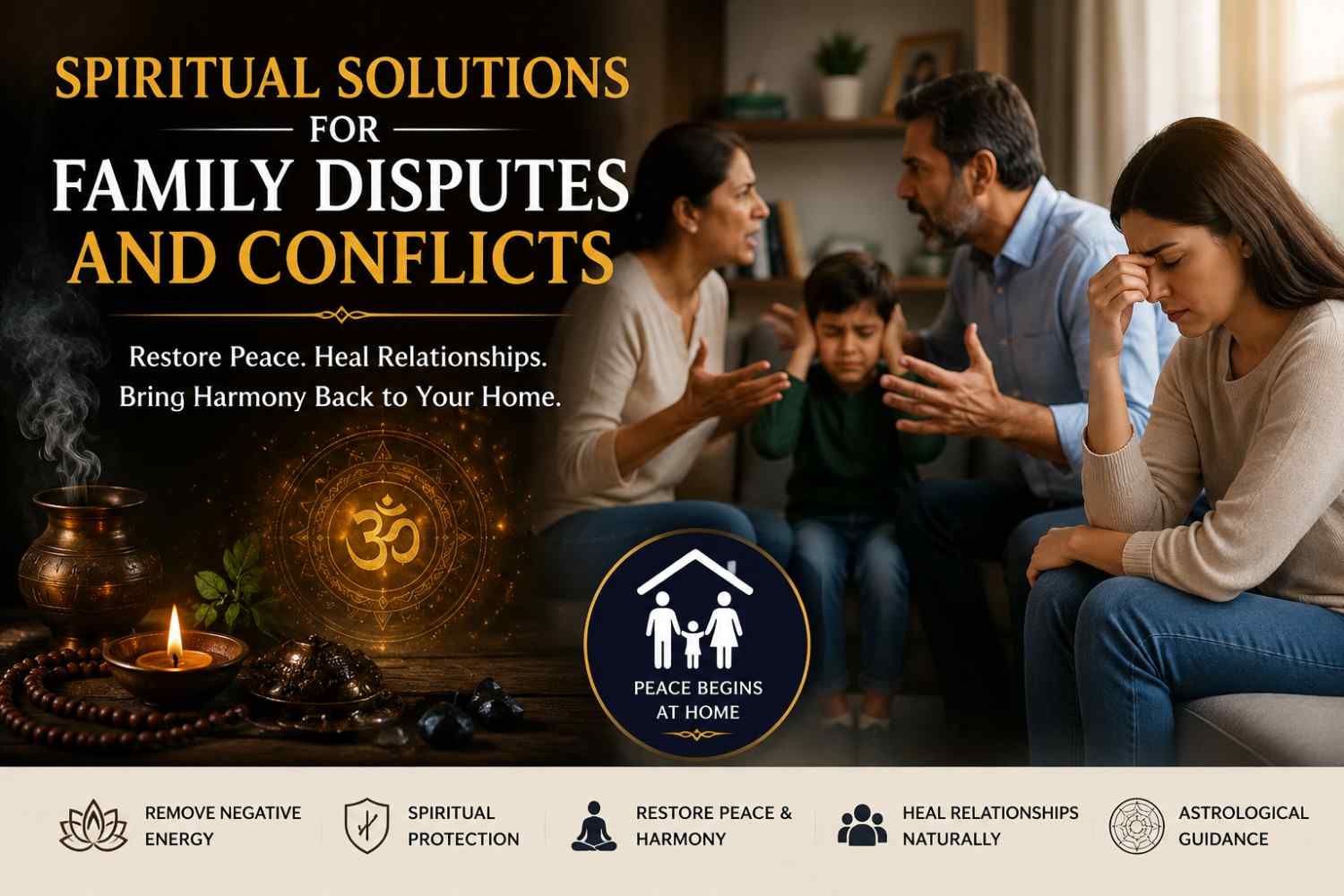
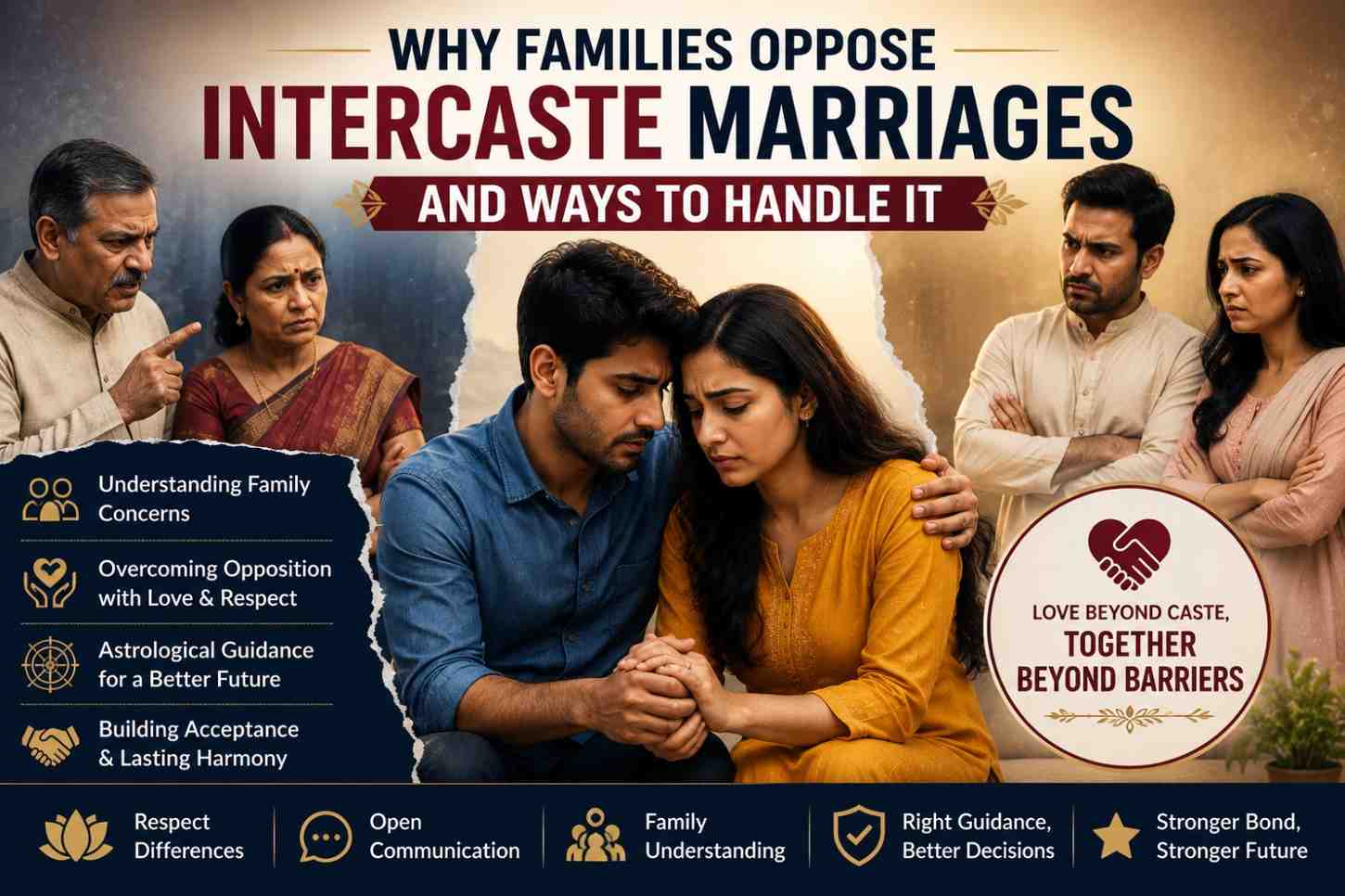
Family opposition remains one of the most common challenges faced by couples planning a love marriage. In many families, concerns about religion, caste, financial status, or social reputation create resistance even when both partners are committed to each other.
Constant emotional pressure can affect mental well-being and create unnecessary stress between partners. Instead of focusing on their future together, couples often find themselves dealing with repeated conflicts involving family members.
Why Do Parents Oppose Love Marriages?
Parents usually worry about long-term stability rather than simply opposing love. Their concerns may include financial security, cultural differences, compatibility, family values, and future responsibilities.
How Can Couples Handle Family Opposition?
- Communicate respectfully with both families.
- Give parents enough time to understand the relationship.
- Avoid emotional arguments or impulsive decisions.
- Focus on building trust through responsible actions.
- Seek guidance if communication becomes difficult.
Does Poor Communication Lead to Relationship Failure?
Healthy communication is one of the strongest foundations of a successful marriage. Unfortunately, many couples stop expressing their thoughts openly after spending years together because they assume their partner already understands them.
Small misunderstandings that remain unresolved gradually become larger conflicts, creating emotional distance between partners.
What Are the Signs of Poor Communication?
- Frequent misunderstandings
- Avoiding important conversations
- Feeling emotionally unheard
- Constant criticism
- Passive-aggressive behavior
- Unresolved arguments
How Can Couples Improve Communication?
Open conversations, active listening, empathy, and mutual respect can significantly strengthen relationships. Couples should discuss concerns before frustration builds into resentment.
Can Trust Issues Destroy Long-Term Relationships?
Trust is the emotional foundation of every successful relationship. Once trust begins to weaken, couples often experience insecurity, anxiety, and repeated conflicts.
Trust issues may arise due to broken promises, dishonesty, jealousy, emotional neglect, or interference from other people. Rebuilding trust requires honesty, consistency, patience, and genuine commitment from both partners.
Can Trust Be Rebuilt?
Yes. Trust can often be restored when both partners acknowledge mistakes, communicate honestly, and consistently demonstrate reliability through their actions.
Why Do Financial Problems Affect Love Marriages?
Financial stress is another common reason relationships become strained after marriage. During dating, financial responsibilities are often limited. Marriage introduces shared expenses, savings goals, family obligations, and long-term planning.
Different attitudes toward spending or saving money can easily create disagreements if expectations are never discussed.
What Financial Topics Should Couples Discuss?
- Monthly expenses
- Savings goals
- Career plans
- Debt management
- Future investments
- Family responsibilities
Can Emotional Distance Slowly End a Relationship?
Emotional distance rarely appears overnight. It usually develops gradually when partners become too busy with work, family responsibilities, or daily routines.
Without meaningful conversations and quality time, couples may begin feeling lonely despite living together.
Signs of Emotional Disconnect
- Less meaningful conversation
- Reduced affection
- Lack of emotional support
- Feeling ignored
- Avoiding quality time together
Spending dedicated time together and maintaining emotional openness can help rebuild intimacy.
Can Unrealistic Expectations Ruin Love Marriages?
Many people enter marriage expecting everything to remain as perfect as it was during dating. Social media and movies often create unrealistic expectations about married life.
Every relationship experiences disagreements, challenges, and periods of adjustment. Strong couples focus on solving problems together rather than expecting perfection.
Healthy Relationship Expectations
- Respect each other's individuality.
- Accept that disagreements are normal.
- Support personal and professional growth.
- Practice patience during difficult phases.
- Work together instead of blaming each other.
Can Astrology Help Couples Facing Relationship Challenges?
Many people choose relationship astrology when they experience repeated misunderstandings, delays in marriage, or emotional uncertainty. Depending on personal beliefs, astrology may provide insights into compatibility, relationship patterns, and favorable timing for important life decisions.
Some individuals also seek spiritual guidance to maintain emotional balance and strengthen their confidence during difficult phases of their relationship.
Is Astrology a Replacement for Communication?
No. Healthy communication, trust, and mutual respect remain essential for every successful relationship. Astrology or spiritual guidance should be viewed as complementary support rather than a substitute for practical efforts.
How Can Couples Build a Stronger Relationship Before Marriage?
Every relationship faces challenges, but couples who address problems early often build stronger and healthier marriages.
Focus on Open Communication
Share your thoughts honestly instead of making assumptions about your partner's feelings.
Build Trust Every Day
Trust grows through honesty, consistency, and keeping promises.
Resolve Conflicts Early
Ignoring small disagreements often leads to larger relationship problems later.
Spend Quality Time Together
Strong emotional connections require regular conversations and shared experiences.
Seek Guidance When Needed
If relationship challenges become overwhelming, couples may benefit from relationship counseling or, depending on their personal beliefs, professional astrological guidance to gain clarity and confidence.
Frequently Asked Questions
Why do love marriages fail after many years?
Love marriages usually fail because of unresolved communication problems, trust issues, financial stress, emotional distance, changing priorities, and family pressure.
Can family opposition affect married life?
Yes. Continuous family interference can create stress between partners if healthy boundaries are not established.
What is the biggest reason long-term relationships fail?
Poor communication and unresolved conflicts remain among the most common reasons relationships become unstable.
Can relationship problems be solved before marriage?
In many cases, yes. Honest communication, mutual understanding, counseling, and timely guidance often help couples resolve issues before they become more serious.
Conclusion
Love marriages rarely fail because love disappears overnight. More often, they struggle because unresolved issues gradually grow into larger problems. Family pressure, communication gaps, financial responsibilities, emotional distance, and changing life priorities all play an important role in shaping the future of a relationship.
Building a successful marriage requires patience, trust, understanding, and continuous effort from both partners. Couples who communicate openly, support each other's growth, and address challenges early are better prepared for a lasting and fulfilling relationship. For those who believe in spiritual guidance, combining practical efforts with astrological consultation may provide additional clarity and confidence during difficult phases of life.