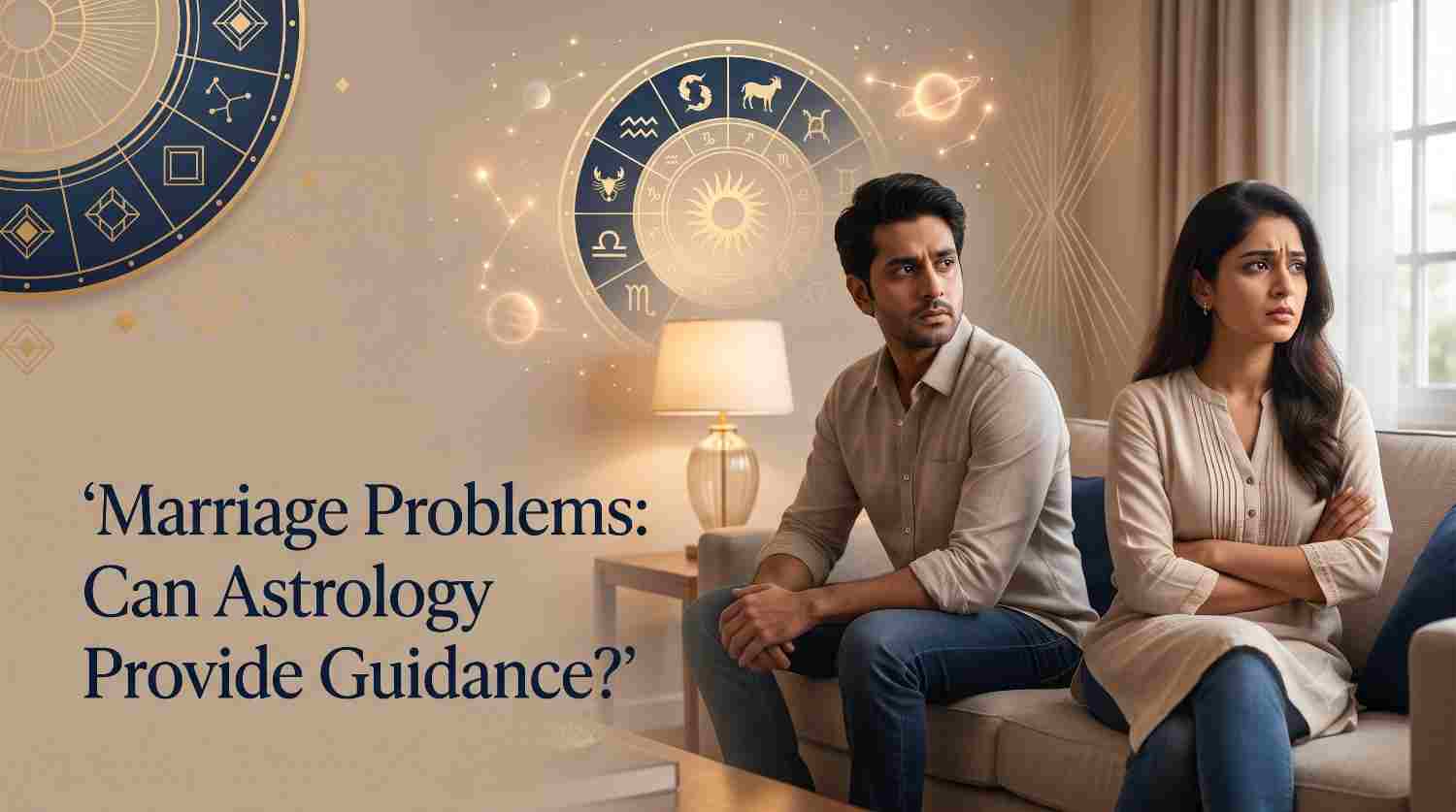
Are you worried that your long-distance relationship is losing its connection? Do delayed messages, fewer calls, or misunderstandings make you question your partner's feelings?
Long-distance relationship trust issues can be managed through honest communication, consistent effort, realistic expectations, and mutual respect. Both partners need to understand each other's concerns and work together to maintain emotional closeness.
Physical separation can make ordinary relationship challenges feel more difficult. However, distance alone does not mean a relationship is failing.
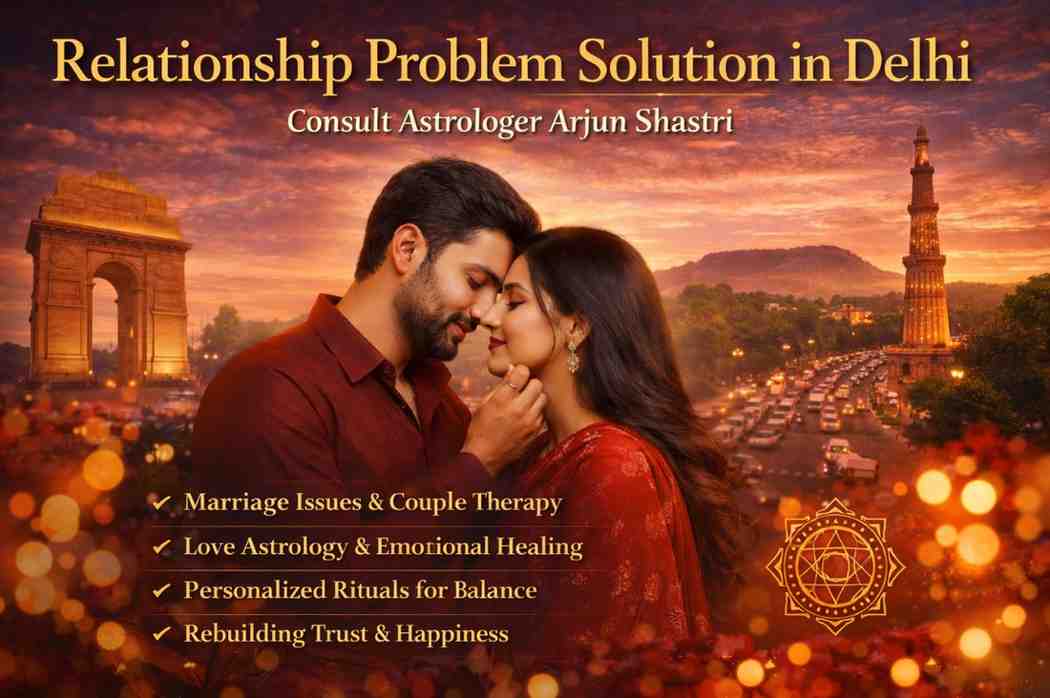
Astrologer Arjun Shastri offers traditional astrology consultations for individuals seeking guidance about love, marriage, and relationship concerns.
Why Do Trust Issues Develop in Long-Distance Relationships?
Trust issues often develop when communication becomes inconsistent, expectations remain unclear, or previous experiences create insecurity.
Common causes include:
-
Delayed messages or missed calls.
-
Different schedules.
-
Limited quality time.
-
Unresolved disagreements.
-
Past relationship experiences.
-
Jealousy or insecurity.
-
Unclear relationship expectations.
-
Lack of future planning.
A delayed response does not automatically indicate dishonesty or loss of interest.
Before making assumptions, discuss the situation calmly with your partner.
How Can You Build Trust in a Long-Distance Relationship?
Building trust requires honesty, consistency, clear boundaries, and dependable behavior from both partners.
Helpful steps include:
-
Communicate openly about expectations.
-
Keep reasonable commitments.
-
Be honest about important concerns.
-
Respect each other's independence.
-
Avoid making accusations without evidence.
-
Discuss boundaries together.
-
Address misunderstandings promptly.
Trust develops through repeated positive experiences rather than constant reassurance.
For traditional relationship guidance, explore Relationship Problem Solution.
What Causes Emotional Distance Between Long-Distance Partners?
Emotional distance can develop when couples stop sharing personal experiences, avoid difficult conversations, or feel disconnected from each other's daily lives.
Possible signs include:
-
Conversations becoming less meaningful.
-
Reduced emotional sharing.
-
Frequent misunderstandings.
-
Avoiding important discussions.
-
Feeling unsupported.
-
Decreased interest in shared activities.
These signs do not always mean that love has disappeared.
Work pressure, stress, family responsibilities, and changing schedules may also affect communication.
How Can You Reduce Emotional Distance in a Relationship?
You can reduce emotional distance by spending intentional time together, expressing appreciation, and discussing feelings without judgment.
Consider these habits:
-
Schedule meaningful conversations.
-
Share everyday experiences.
-
Celebrate achievements.
-
Discuss personal concerns.
-
Plan activities together online.
-
Express appreciation regularly.
-
Respect each other's emotional needs.
Even short conversations can strengthen connection when both partners feel heard.
How Often Should Long-Distance Couples Communicate?
Long-distance couples should agree on a communication routine that suits both partners rather than following a fixed number of calls or messages.
Some couples prefer daily video calls, while others manage different work schedules.
A healthy routine should consider:
The quality of communication matters more than the number of messages exchanged.
How Can You Handle Jealousy in a Long-Distance Relationship?
Jealousy can be managed by identifying personal concerns, discussing boundaries, and building trust without controlling your partner.
Avoid demanding passwords, constant location sharing, or proof of every activity.
Instead:
-
Explain what makes you uncomfortable.
-
Listen to your partner's perspective.
-
Agree on reasonable boundaries.
-
Address previous trust violations honestly.
-
Maintain your individual interests.
Healthy relationships require both emotional security and personal freedom.
How Can You Resolve Misunderstandings Without Meeting in Person?
Resolve misunderstandings by choosing a suitable communication method, listening carefully, and discussing one issue at a time.
Text messages can sometimes create confusion because tone and intention are difficult to interpret.
When a disagreement becomes serious:
-
Avoid sending angry messages.
-
Suggest a voice or video call.
-
Explain your feelings calmly.
-
Listen without interrupting.
-
Clarify what each person understood.
-
Agree on practical next steps.
For recurring conflicts, explore the Husband Wife Problem Solution service page for information about traditional consultations.
Can Astrology Help With Long-Distance Relationship Problems?
Traditional love astrology may offer a spiritual perspective for personal reflection, but it cannot reliably determine a partner's feelings or guarantee reconciliation.
Vedic astrology practitioners may discuss:
-
Birth chart compatibility.
-
Traditional planetary interpretations.
-
Relationship-related astrological houses.
-
Personal concerns about marriage.
-
Spiritual reflection.
Some individuals find these practices culturally meaningful.
However, practical communication, trust, consent, and emotional well-being remain essential.
How Can Long-Distance Couples Plan a Future Together?
Couples can strengthen their relationship by discussing realistic plans for visits, careers, finances, marriage, and eventually living closer together.
Important conversations include:
-
How often can we meet?
-
Are we comfortable with the current arrangement?
-
What are our career priorities?
-
How will we manage travel expenses?
-
Do we share similar marriage expectations?
-
Is there a realistic plan to reduce the distance?
Clear expectations can reduce uncertainty.
When Should You Reconsider a Long-Distance Relationship?
Reconsider the relationship when persistent dishonesty, controlling behavior, disrespect, or incompatible long-term goals make it unhealthy.
Occasional disagreements are normal, but ongoing emotional harm should not be ignored.
If your partner threatens, manipulates, or repeatedly violates your boundaries, seek support from trusted people or qualified professionals.
Both partners must be free to decide whether to continue the relationship.
What Are the Most Frequently Asked Questions About Long-Distance Relationship Trust Issues?
Common concerns include communication frequency, jealousy, emotional distance, and maintaining trust while living apart.
Can a Long-Distance Relationship Work Without Meeting Frequently?
Yes. Some couples maintain meaningful relationships despite limited meetings through communication, trust, and realistic future plans.
Does Less Communication Mean My Partner Is Losing Interest?
Not necessarily. Work, stress, and personal responsibilities can affect communication. Discuss changes before drawing conclusions.
How Can I Stop Overthinking in a Long-Distance Relationship?
Focus on clear communication, realistic expectations, personal activities, and addressing specific concerns instead of assuming negative outcomes.
Can Trust Return After a Long-Distance Relationship Conflict?
Trust may improve through accountability, honesty, consistent behavior, and willingness from both partners.
Can Astrology Bring My Long-Distance Partner Back?
Astrology cannot guarantee reconciliation or control another person's feelings. Any reunion requires mutual willingness.
Should Long-Distance Couples Discuss Marriage?
Yes, when both partners are considering a long-term commitment. Discussing expectations can help clarify shared goals.
How Can You Seek Long-Distance Relationship Guidance From Arjun Shastri?
You can contact Astrologer Arjun Shastri to discuss traditional astrological perspectives on relationship compatibility, emotional distance, and marriage-related concerns.
Before booking, prepare your questions and confirm the consultation fees, format, and services included.
For additional information, explore Relationship Problem Solution or visit the Contact Page.
Remember: A healthy long-distance relationship depends on mutual trust, honest communication, respect, and shared commitment—not distance alone.